
More and more food factories and bakeries are looking for organic ingredients. Some factories make products for export; others want to launch a new product line built around organic as a selling point.
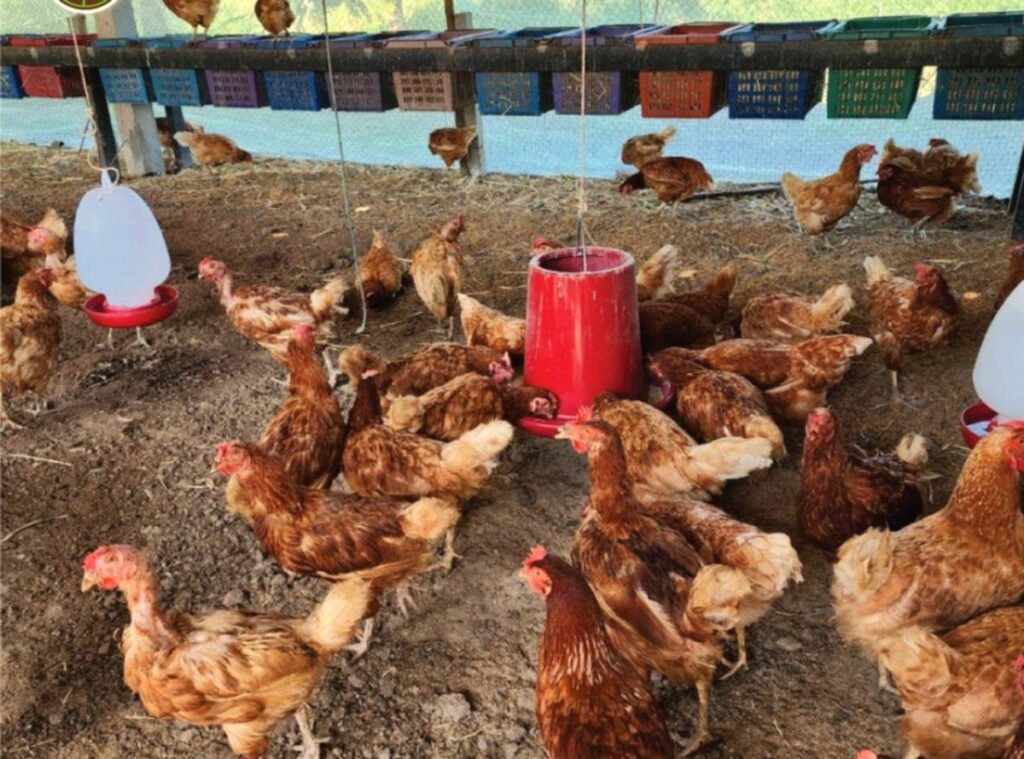
But once you start choosing a supplier, the questions pile up fast. Which certificates actually count? Can they deliver every week? What condition will the goods arrive in?
This article turns those questions into a short checklist that purchasing and QA teams can take straight into supplier conversations. We use organic eggs as the example, since they are an ingredient factories and bakeries use almost every day.
1. Organic certificates: look closer than the logo
A logo on the box or the website is only a starting point. What you should ask to see is the actual certificate.
Does the certificate cover the product you are buying?
An organic certificate clearly lists the products it covers. A supplier may sell many products but have only some of them certified.
So check that the exact product you plan to buy is on that list, not just that the company holds a certificate.
Which standard, and who is the certifier?
If your products go to markets where customers ask for USDA Organic or the US NOP standard, ask for a certificate under that standard. Check the name of the certifying body, the name of the certificate holder and the effective date.
NOP certificates can be verified in the USDA Organic Integrity Database. Your QA team can check the status themselves instead of relying only on the copy they were sent.
Lot documents such as a Transaction Certificate
A certificate shows that the farm or company is certified, but some end customers also want documents tied to each individual sale, such as a Transaction Certificate.
Before ordering, ask the supplier directly whether they can issue this kind of document and how much notice they need, so you can plan your export paperwork in time.
Organic and food safety standards are two different things
An organic certificate covers how the product is produced, for example animal feed and the use of chemicals. GHPs and HACCP cover safety in grading, packing and processing.
A good supplier should have both, and you should check the scope of the HACCP certificate to make sure it covers the product you are buying.
2. Supply continuity: can they deliver consistently?
For a factory, one missed delivery can stop a production line for a whole day, so this matters just as much as certification.
Agree on volumes and delivery schedules from the start
Tell the supplier roughly how much you use per week and what delivery schedule you need, then ask them to confirm in writing.
If you have peak periods, such as festive seasons, let them know in advance so they can prepare enough stock.
Does the supplier run its own farm and packing house?
Suppliers that manage everything from the farm to the packing house usually find it easier to control quality and delivery schedules than suppliers who buy from someone else and resell.
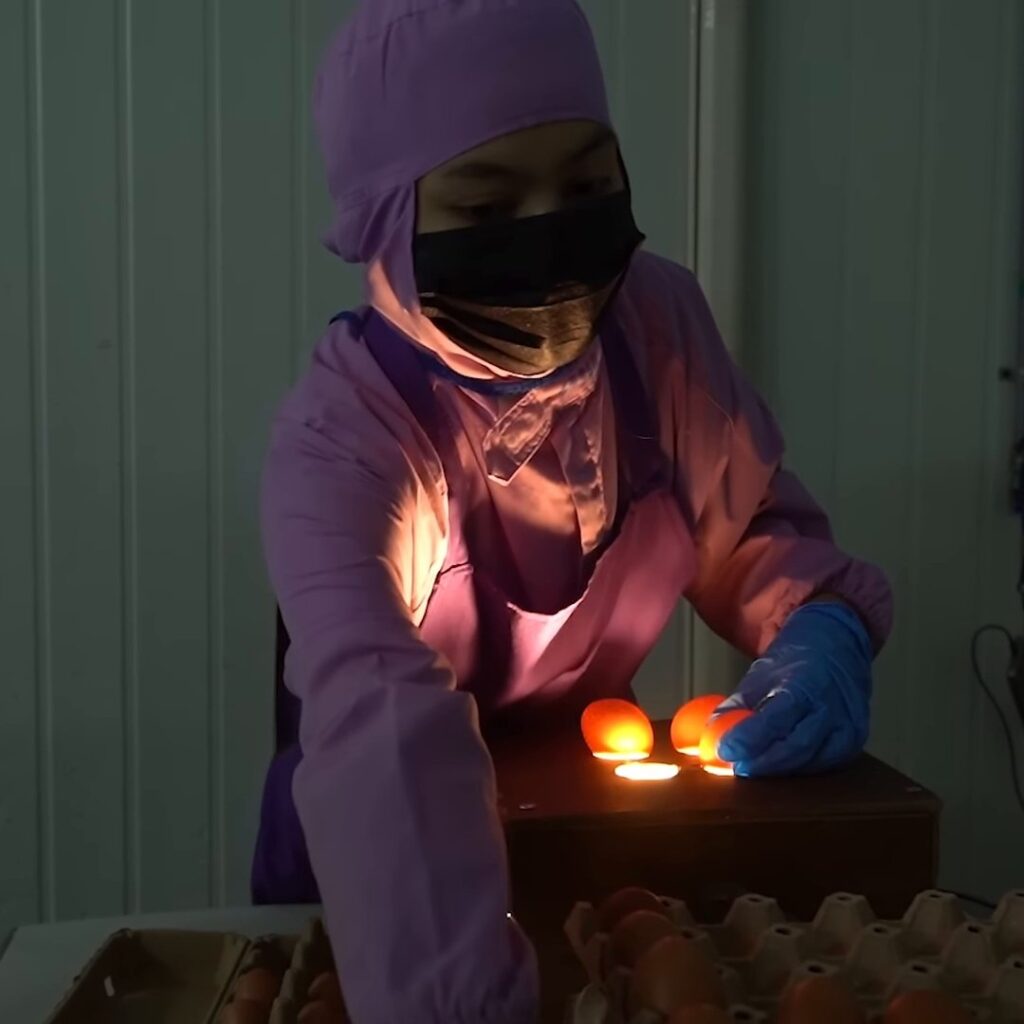
Ask which farm the ingredients come from, where they are graded and packed, and who handles the documents.
Pack sizes that suit factory use
Retail packs and factory packs are usually different. Larger packs cut packaging waste and save unpacking time on the production line.
Also ask whether the supplier has business packs and what the ingredient specs are, for example size-graded or mixed-size eggs, so they match your recipes.
3. Delivery: goods must arrive in usable condition
However good they are, fresh ingredients like eggs, vegetables and fruit can spoil on the way if transport is not right.
Temperature-controlled trucks
Ask whether the supplier delivers in refrigerated or temperature-controlled trucks, and whether they use their own trucks or a third-party carrier.
If your QA team needs it, you can also ask how temperatures are recorded during transport.
Packing before loading
Check that goods are stacked and wrapped securely before loading. Well-stacked goods suffer less damage on the way and can be checked faster at your receiving dock.
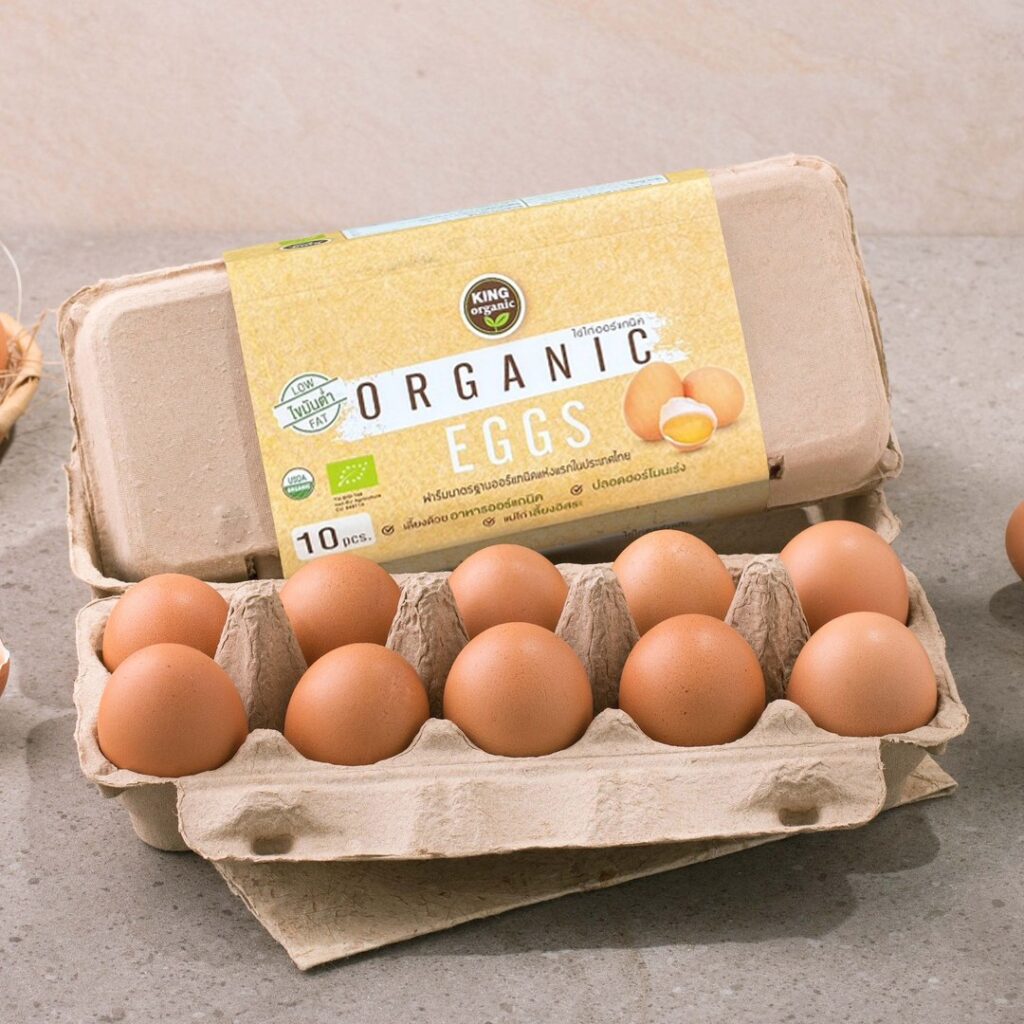
Inspection on arrival
Agree in advance how you will report damaged or off-spec goods and how problems will be resolved. A small step like this prevents a lot of trouble in the long run.
Quick checklist: organic ingredients for food factories
- Certificates: The organic certificate names the product you buy, you know the standard and the certifier, the status can be verified, the supplier can issue lot documents such as a Transaction Certificate, and GHPs / HACCP certificates cover the product.
- Supply continuity: Volumes and delivery schedules can be confirmed, with packs and specs that suit factory use.
- Delivery: Refrigerated trucks, secure packing and a clear channel for reporting problems.
Example: organic eggs from King Organic
King Organic is a brand of King Fresh Farm Co., Ltd., with a farm in Thian Thale, Bang Khun Thian, and a packing house in Samut Sakhon.
King Organic eggs are certified organic under the USDA / NOP standard, and the hens are fed organic feed.
The eggs are graded and packed at the King Fresh Farm packing house in Samut Sakhon, which meets GHPs and HACCP standards.
Factory orders come in 30-egg packs and are delivered in temperature-controlled refrigerated trucks, so the eggs reach your factory fresh.
Ask our sales team about delivery schedules and the documents your customers need, such as the USDA certificate or a Transaction Certificate.
Besides eggs, we also supply other ingredients for businesses, such as vegetables, fruit and processed products. Certification differs from item to item, and our sales team will make this clear before every order.
Frequently asked questions
Where can businesses buy wholesale organic eggs in Thailand?
King Organic, a brand of King Fresh Farm, supplies USDA / NOP certified organic eggs to factories and bakeries in 30-egg packs. Call our sales team on +66 88 975 5661 or message LINE OA @kingorganic for a quote.
What certificates do King Organic eggs have?
The eggs are certified organic under the USDA / NOP standard, and the packing house meets GHPs and HACCP standards. You can ask our sales team for copies of the certificates.
Can I get a Transaction Certificate?
Please ask our sales team when you request a quote, and tell them which documents your end customers need, such as the USDA certificate or a Transaction Certificate.
What pack size do you use for wholesale organic eggs to factories?
Factory customers get 30-egg packs; general customers get 10-egg packs.
How are eggs delivered to factories?
By temperature-controlled refrigerated truck. For delivery areas and schedules, please ask our sales team directly.
Are your other ingredients also USDA Organic?
A USDA certificate covers only the items listed on it. Other ingredients carry different standards, and our sales team will share the documents for each item before you order.
What information do I need for a wholesale price?
Have ready the type of ingredient, the volume you use per week or per month, your preferred delivery schedule, your factory address and the documents your end customers require. This helps our sales team prepare your quote faster.
Request a quote
If your factory or bakery is looking for wholesale organic eggs or organic ingredients for food production, talk to our sales team today.
Call our sales team: +66 88 975 5661
LINE OA @kingorganic
See all our products on the Products page, or find other ways to reach us on the Contact Us page.
Pingback: วัตถุดิบออร์แกนิค โรงงานอาหารและเบเกอรี่ ต้องดูอะไรบ้าง